


Taxi Driver, Martin Scorsese’s masterpiece starring Robert De Niro and Jodi Foster, is generally considered not just among the best films of the 1970s, but also of all time. The movie was released in February 1976 and doesn’t feel dated at all. In fact, it’s even more stressful today than ever given the current political environment. There is nothing partisan about my feelings, either.

Political Violence Horrifies Me
Political violence, by anyone and against anyone, regardless of beliefs, is abhorrent to me. While there is a lot of violence in Taxi Driver, the threat of an assassination by Travis Bickle (De Niro) of presidential candidate Charles Palantine (Leonard Harris) is easily the part of the movie that was hardest to watch this time. That scene is so well composed, and the tension is on such a level that I actually had to pause the movie after it to take a breath. And this is a movie I’ve seen multiple times over the years; it just hit differently this time.
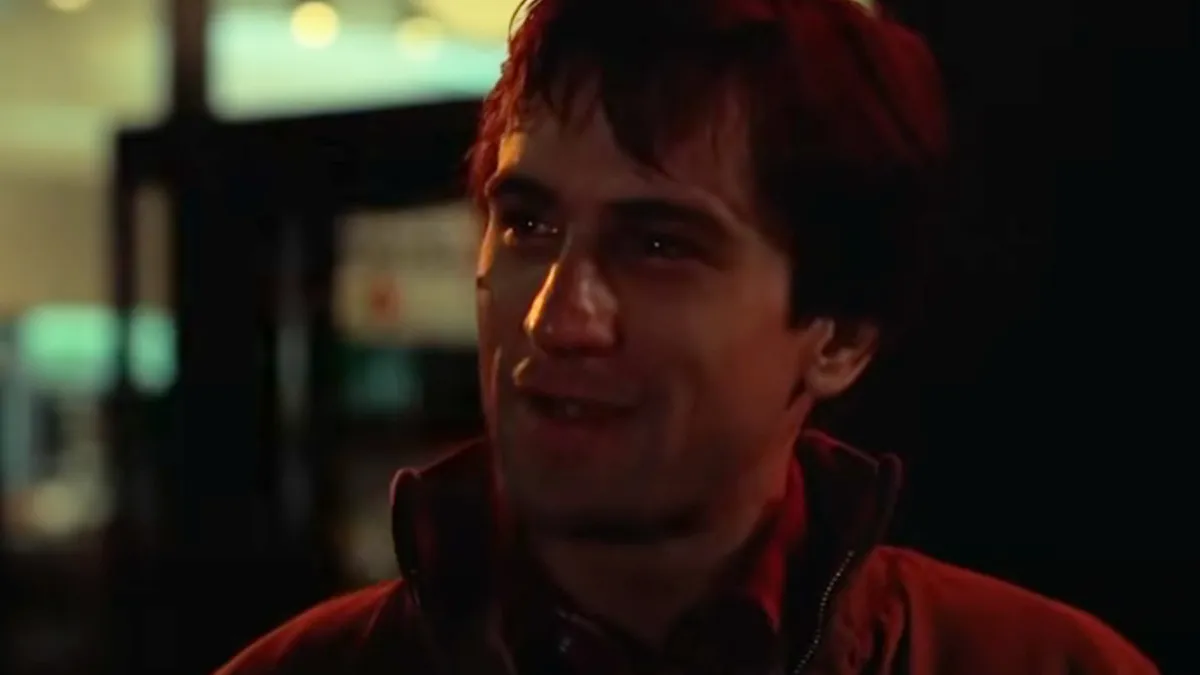
Bickle is a lost soul, of course, and his descent into madness is what makes Taxi Driver, and De Niro’s performance in it, so memorable. That much I already knew. The ambiguity of Bickle’s fate is something we’re all left to ponder, and many of us have been doing just that for half a century or so. For years, the scene at the rally when the Secret Service gets wise to Bickle was just one piece of the puzzle, and, honestly, not the most disturbing one for me in the past. With this watch, it was the most salient and scary.
Why Bickle’s Alienation Scares Me
Whatever causes Bickle’s alienation, whether it’s his time in the military (even if he might not have served in Vietnam), his growing racism and disgust of New York City, or mental illness, it doesn’t matter. What scares me is that kind of alienation is still very much a part of society, and who knows, maybe it always has been and always will be. In my opinion, though, it’s only been made more acute with modern times for a whole host of reasons, from social media siloing to pandemic loneliness.
Bickle is a hero to some, an antihero to others, but to me, he’s just a villain. He’s a villain like every other person who thinks it’s up to them to solve the complicated problems of the world by using violence to get their point across. Violence is never the answer, and while I understand that sometimes force must be met with force, I fully subscribe to the idea that an eye for an eye leaves the whole world blind, and no one wins.
I will admit, I did not think that this latest viewing of Taxi Driver would stress me out. I went into it, like I’ve gone into all of the movies from 1976 that I’ve been watching this year, as I celebrate that incredible year in cinema, expecting to enjoy rewatching a classic. I came out of it more stressed than ever.

