


When I first heard about Fukushima: A Nuclear Nightmare appearing on the 2026 movie schedule, I made sure to circle March 11th on the calendar, which happened to be the 15th anniversary of the disaster that decimated a community and rocked a nation. In addition to showcasing the events of the three-headed monster (a 9.0 magnitude earthquake, a tsunami, and a nuclear meltdown), the great HBO documentary also highlighted the impact of nuclear trauma on Japanese pop culture over the years.
I’ve been a massive fan of Godzilla movies, the iconic Studio Ghibli collection, and other facets of Japanese pop culture for years now, but it wasn’t until watching this harrowing, critically acclaimed documentary that I fully started to appreciate how deeply they all were connected to nuclear trauma. While the documentary isn’t about movies, television, or anything of the sort, I was left with a better understanding of that trauma.
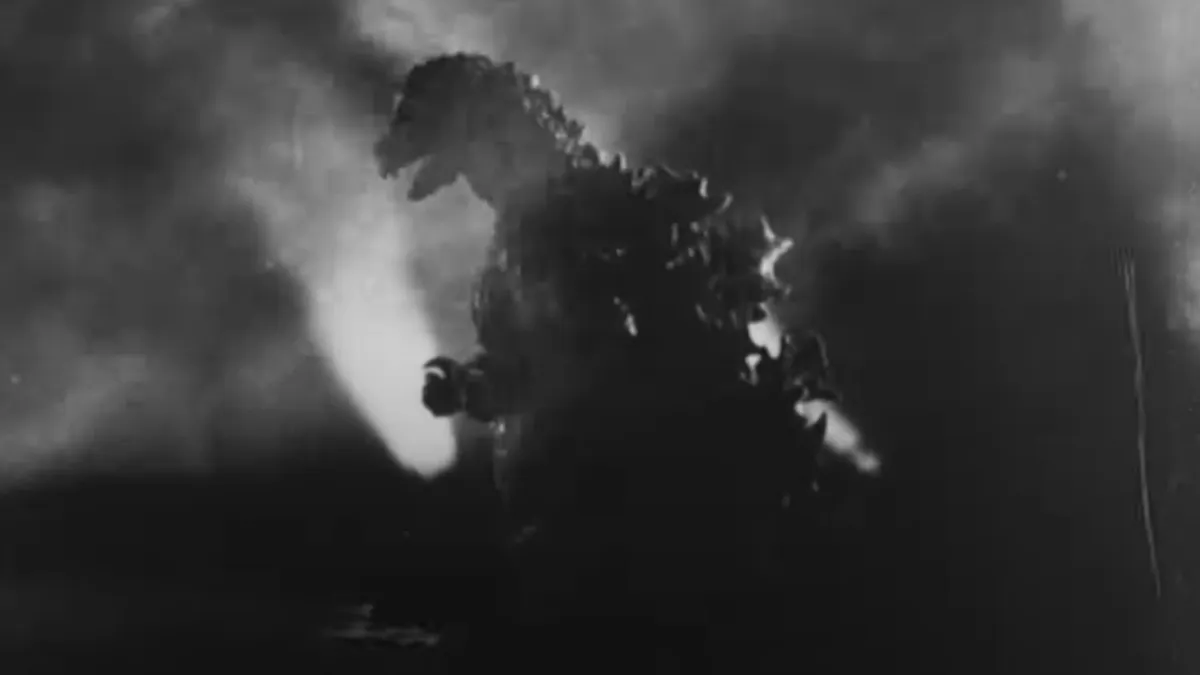
Fukushima: A Nuclear Nightmare Methodically Lays Out The Impact Of Nuclear Trauma On Japanese Culture
Though Fukushima: A Nuclear Nightmare is about the March 2011 earthquake and multiple tragedies that followed, it spends a considerable amount of time detailing how big an impact nuclear energy (and trauma) has had on practically every aspect of Japanese culture over the past 81 years. From the dropping of atomic bombs over Hiroshima and Nagasaki at the end of World War II to the nuclear meltdown that nearly ended in an even larger tragedy, the documentary methodically lays it all out.
Both insightful and terrifying, Fukushima serves as a cautionary tale of how something that has provided so much life, energy, and economic freedom can also bring death, destruction, and disaster. While watching, I kept thinking about how the Godzilla movies, several of Hayao Miyazaki’s best films, and my favorite video game franchise – Metal Gear Solid – have touched on these topics countless times over the years.

I Have A Greater Appreciation Of The Culture Behind Godzilla And Studio Ghibli Films
Having watched the various Godzilla eras, and being the dad of a kid who can’t get enough of Studio Ghibli, I’ve long been familiar with how both properties were influenced by Japan’s nuclear past. I mean, the legendary kaiju was created as a metaphor for the horrors of nuclear weapons, and Nausicaä of the Valley of the Wind takes place in a world destroyed by atomic energy. That said, I am now left with a greater appreciation of the culture, history, and lessons behind these two (and other examples of Japanese pop culture as a result of Fukushima.
It’s not like I didn’t pick up on the messages or themes of these various movies; it’s just that I feel like I always lacked the proper context to fully understand just how ingratiated nuclear energy was in Japanese culture. Well, until now, that is.
Though Fukushima: A Nuclear Nightmare was a traumatizing, terrifying, and sobering experience, it’s one of the most eye-opening and engaging documentaries you can watch with an HBO Max subscription. Even if you aren’t a fan of Japanese pop culture, it’s a must-watch.

